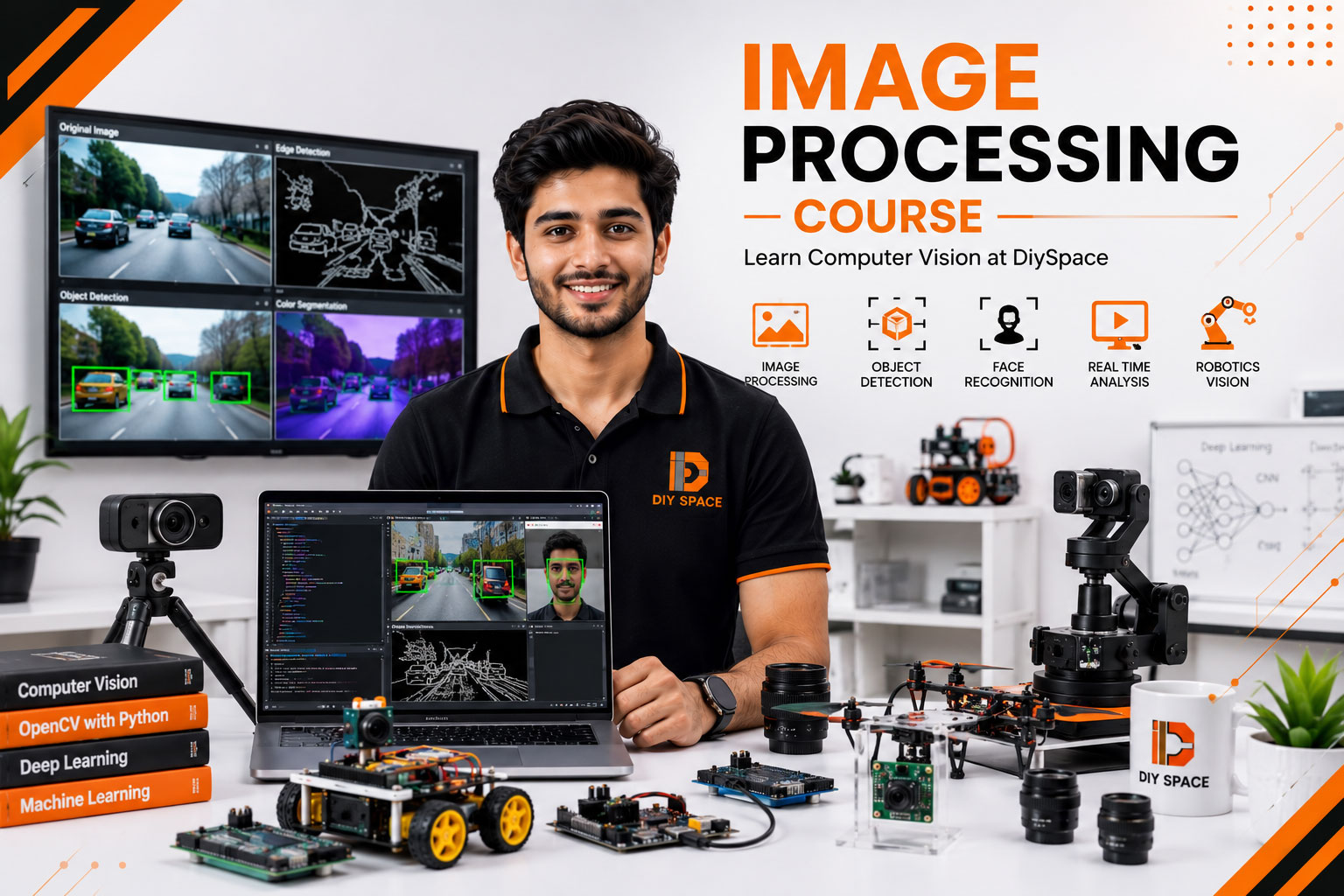
Image Processing Course
Image Processing Course Learn Computer Vision at DiySpace In today’s …
Overview
Image Processing Course Learn Computer Vision at DiySpace
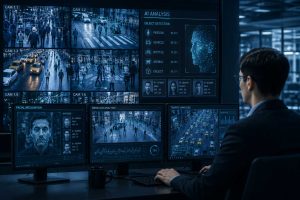
In today’s AI-powered world, computers are no longer limited to processing text and numbers. They can now analyze images, recognize objects, detect faces, interpret videos, and make intelligent decisions based on visual information. This capability is made possible through Image Processing and Computer Vision technologies.
From self-driving vehicles and smart surveillance systems to medical diagnostics and industrial automation, computer vision is transforming industries across the globe. As Artificial Intelligence continues to advance, organizations are actively seeking professionals who can develop intelligent vision systems capable of understanding visual data.
At DiySpace Robotics, our Image Processing Course is designed to help students, engineers, robotics enthusiasts, and AI learners gain practical computer vision skills through hands-on projects and real-world applications. Whether you are a beginner or an experienced learner, this course provides the knowledge and practical experience needed to build modern AI vision solutions.
About The Course
The Image Processing Course at DiySpace Robotics is a comprehensive training program that covers the fundamentals of digital image processing, computer vision algorithms, and AI-based image analysis.
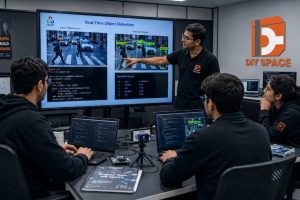
Students learn how computers acquire, process, analyze, and interpret images using industry-standard tools and programming frameworks. The course combines theory with practical implementation, enabling learners to develop real-world computer vision applications.
From image enhancement and filtering to object detection and deep learning-based image recognition, participants gain experience with technologies widely used in robotics, automation, healthcare, security, and smart manufacturing.
Whether you are looking for a Computer Vision Course for Beginners or advanced Image Processing Training, this program provides a complete learning pathway.
Why Choose DiySpace Robotics for Image Processing Training
At DiySpace Robotics, we focus on practical learning and real-world implementation rather than theory alone.
Why Students Choose Us
✔ Project-based Computer Vision Training
✔ Hands-on OpenCV and Python development
✔ Industry-focused AI applications
✔ Real-world datasets and case studies
✔ Robotics and automation integration
✔ Beginner-friendly learning approach
✔ Expert guidance and mentorship
✔ Practical portfolio-building projects
✔ Industry-recognized certification
✔ Career-oriented skill development
Our goal is to help learners develop job-ready skills in computer vision, machine learning, and AI-powered visual systems.
What You Will Learn
This Professional Image Processing Course provides both foundational knowledge and advanced practical skills.
Students begin by learning the fundamentals of digital image processing, including image representation, color spaces, pixel operations, and image transformations.
As the course progresses, participants explore advanced computer vision techniques used in modern AI systems.
Key Topics Covered
- Digital Image Processing Fundamentals
- Image Enhancement Techniques
- Noise Reduction and Image Filtering
- Edge Detection Methods
- Feature Extraction
- Image Segmentation
- Pattern Recognition
- Object Detection
- Face Detection and Recognition
- Motion Tracking
- Video Processing
- Real-Time Computer Vision
- OpenCV Development
- Deep Learning for Computer Vision
- AI-Based Image Analysis
- Robotics Vision Systems
By the end of the course, learners will be able to design and implement intelligent vision systems capable of analyzing visual information automatically.
Software & Technologies Covered
Students work extensively with Python, one of the most widely used programming languages for AI and computer vision development. Python provides powerful libraries and frameworks that simplify image analysis and machine learning workflows.
OpenCV serves as the primary computer vision framework, enabling learners to perform image enhancement, object detection, tracking, segmentation, and real-time vision processing tasks. OpenCV remains one of the most sought-after skills in the computer vision industry.
TensorFlow and PyTorch are introduced for deep learning applications involving image classification, object detection, and advanced neural network development. Learners gain practical experience building AI-powered vision models.
Additional tools include NumPy for numerical computation, Jupyter Notebook for experimentation, Google Colab for cloud-based model training, and image annotation tools used in AI dataset preparation and labeling.
Hands-On Projects
Practical learning is at the heart of this Computer Vision Training program.
Students work on real-world projects that help strengthen technical understanding and build professional portfolios.
Projects Included
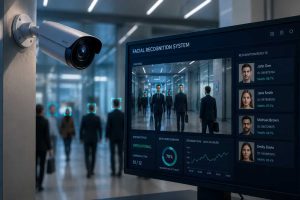
Face Detection System
Build a smart application capable of detecting human faces from images and live video streams.
Object Detection Application
Develop AI-powered systems that can identify and classify multiple objects in real time.
Smart Surveillance System
Create intelligent security monitoring solutions using computer vision algorithms.
License Plate Recognition
Design automated systems that detect and recognize vehicle registration numbers.
Industrial Defect Detection
Build machine vision solutions used for quality inspection in manufacturing industries.
Motion Tracking System
Track moving objects and analyze movement patterns using advanced computer vision techniques.
Human Activity Recognition
Develop AI models that identify human actions from video footage.
Robotics Vision Project
Integrate cameras with robotic systems for autonomous navigation and intelligent decision-making.
Who Can Join This Course
This course is suitable for a wide range of learners.
Ideal For
- School and College Students
- Engineering Students
- Robotics Enthusiasts
- AI Learners
- Machine Learning Beginners
- Embedded Systems Learners
- Automation Professionals
- Researchers
- Educators and Trainers
No advanced experience is required. Basic programming knowledge can be helpful but is not mandatory.
Career Opportunities After Computer Vision Training
The growing adoption of AI and automation technologies has created significant demand for computer vision professionals.
After completing the course, learners may pursue careers as:
- Computer Vision Engineer
- AI Engineer
- Machine Learning Engineer
- Image Processing Engineer
- Robotics Engineer
- Automation Engineer
- Vision Systems Developer
- Research Associate
- Data Scientist
- Industrial AI Specialist
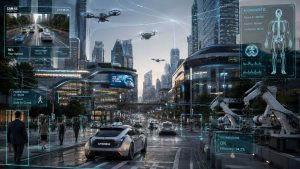
These roles are increasingly important in sectors such as healthcare, manufacturing, robotics, automotive technology, agriculture, security, logistics, and smart city development.
Certification
Upon successful completion, participants receive an Image Processing Certification from DiySpace Robotics.
Certification validates practical knowledge in computer vision, image analysis, OpenCV development, and AI-powered vision systems. Combined with hands-on project experience, certification strengthens professional credibility and enhances employability in technology-focused industries.
Employers increasingly value practical portfolios, and the projects completed during the course help learners demonstrate real-world implementation skills.
FAQs
What is image processing?
Image processing is the technique of enhancing, analyzing, and manipulating digital images to extract useful information.
What is computer vision?
Computer vision enables machines to understand and interpret visual data from images and videos.
Can beginners learn computer vision?
Yes. Beginners can start with basic image processing concepts and gradually progress to advanced AI applications.
Is Python required for image processing?
Python is highly recommended because it is widely used in computer vision and AI development.
What is OpenCV?
OpenCV is an open-source computer vision library used for image analysis, object detection, and video processing.
What projects will I build?
Students build face detection systems, object detection applications, surveillance systems, robotics vision projects, and more.
Can computer vision be used in robotics?
Yes. Computer vision helps robots recognize objects, navigate environments, and make intelligent decisions.
What jobs are available after this course?
Career opportunities include Computer Vision Engineer, AI Engineer, Robotics Engineer, Machine Learning Engineer, and Image Processing Engineer.
Is certification included?
Yes. Students receive certification upon successful completion of the course.
Is computer vision a good career in 2026 and beyond?
Yes. Computer vision remains one of the fastest-growing fields in Artificial Intelligence, robotics, and automation.
Start Your Computer Vision Journey Today
If you want to build future-ready skills in Artificial Intelligence, robotics, and automation, the Image Processing Course at DiySpace Robotics is the ideal starting point. Learn from experienced trainers, work on real-world projects, and gain the confidence to develop intelligent computer vision solutions used across modern industries.
Curriculum
Instructor

You May Like
IOT (internet of things) Course
IoT (Internet of Things) Course The world is becoming increasingly …
3D Designing and Printing Course
3D Designing and Printing In today’s innovation driven world, 3D …
Electronics Course
Electronics Course Practical Electronics Training Technology is evolving faster than …
Robotics Course in Pakistan
Robotics Course in Pakistan DIYSpace Robotics Introduction Robotics is one …
Course Features
- Lecture 0
- Quiz 0
- Duration 10 weeks
- Skill level All levels
- Language English
- Students 0
- Assessments Yes